Ultrasonic Generator Overload Protection During Heavy-Load Food Cutting
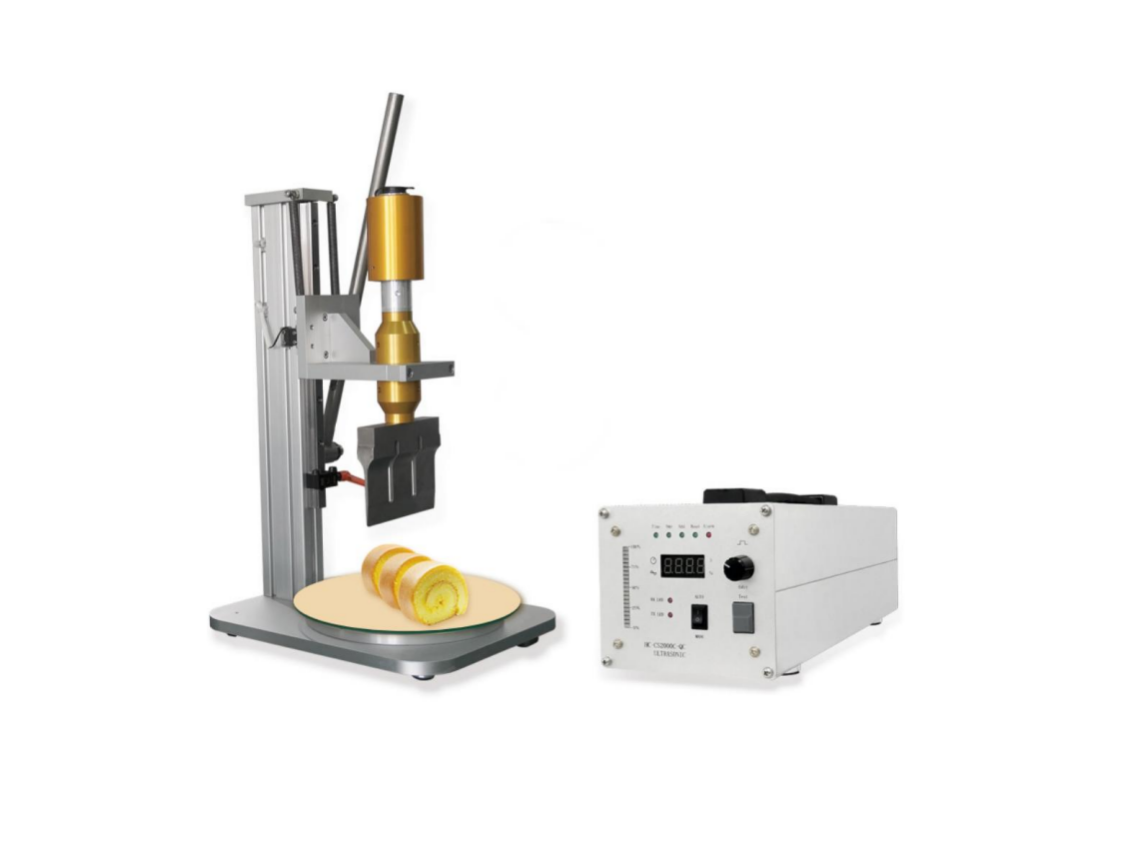
Ultrasonic Generator Overload Protection is one of the most common challenges in heavy-duty ultrasonic food cutting applications. While ultrasonic cutting technology delivers clean cuts, minimal product deformation, and higher production efficiency, unstable operating conditions under high cutting loads may occasionally trigger the generator’s protection function.
Recently, the KoneSonic engineering team completed a series of field tests and technical evaluations on a heavy-load ultrasonic food cutting application. The purpose was to identify the factors that influence system stability and to provide practical recommendations for improving long-term reliability.

What Causes Ultrasonic Generator Overload Protection?
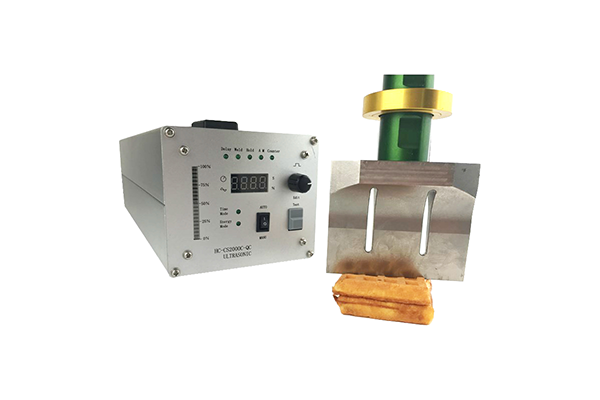
Modern ultrasonic generators continuously monitor voltage, current, frequency, and operating conditions. When the system detects abnormal vibration or excessive load, the generator automatically activates Ultrasonic Generator Overload Protection to protect the transducer, generator, and other electronic components.
In practical food cutting applications, overload protection may be influenced by several factors, including:
- High cutting resistance
- Incorrect mechanical assembly
- Electrical grounding interference
- PCB installation methods
- Loose electrical connections
- Continuous high-power operation
Rather than being caused by a single component, overload protection is often the result of multiple mechanical and electrical factors working together.
Engineering Investigation
During this project, our engineers carried out extensive comparison tests under real production conditions. Different installation methods and electrical configurations were evaluated to determine their influence on system performance.
One important finding was that cable length was not the primary factor affecting system stability. Instead, the grounding relationship between the power board, control board, and machine frame showed a greater impact when the cutting blade operated under heavy load.
Further testing also indicated that unintended electrical coupling through PCB mounting points could influence the stability of the control circuit in certain operating conditions. By optimizing the installation structure and improving electrical isolation where necessary, the system demonstrated more stable performance during continuous cutting.
This investigation once again confirms that successful ultrasonic applications depend on the combination of both electrical design and mechanical engineering.
Practical Recommendations
Based on our engineering experience, KoneSonic recommends the following practices to reduce the possibility of Ultrasonic Generator Overload Protection during heavy-load food cutting:
- Verify that all grounding connections follow the recommended electrical design.
- Inspect the installation of the control board and avoid unintended electrical contact between the PCB and the machine chassis.
- Where appropriate, use insulating washers or spacers to isolate PCB mounting screws.
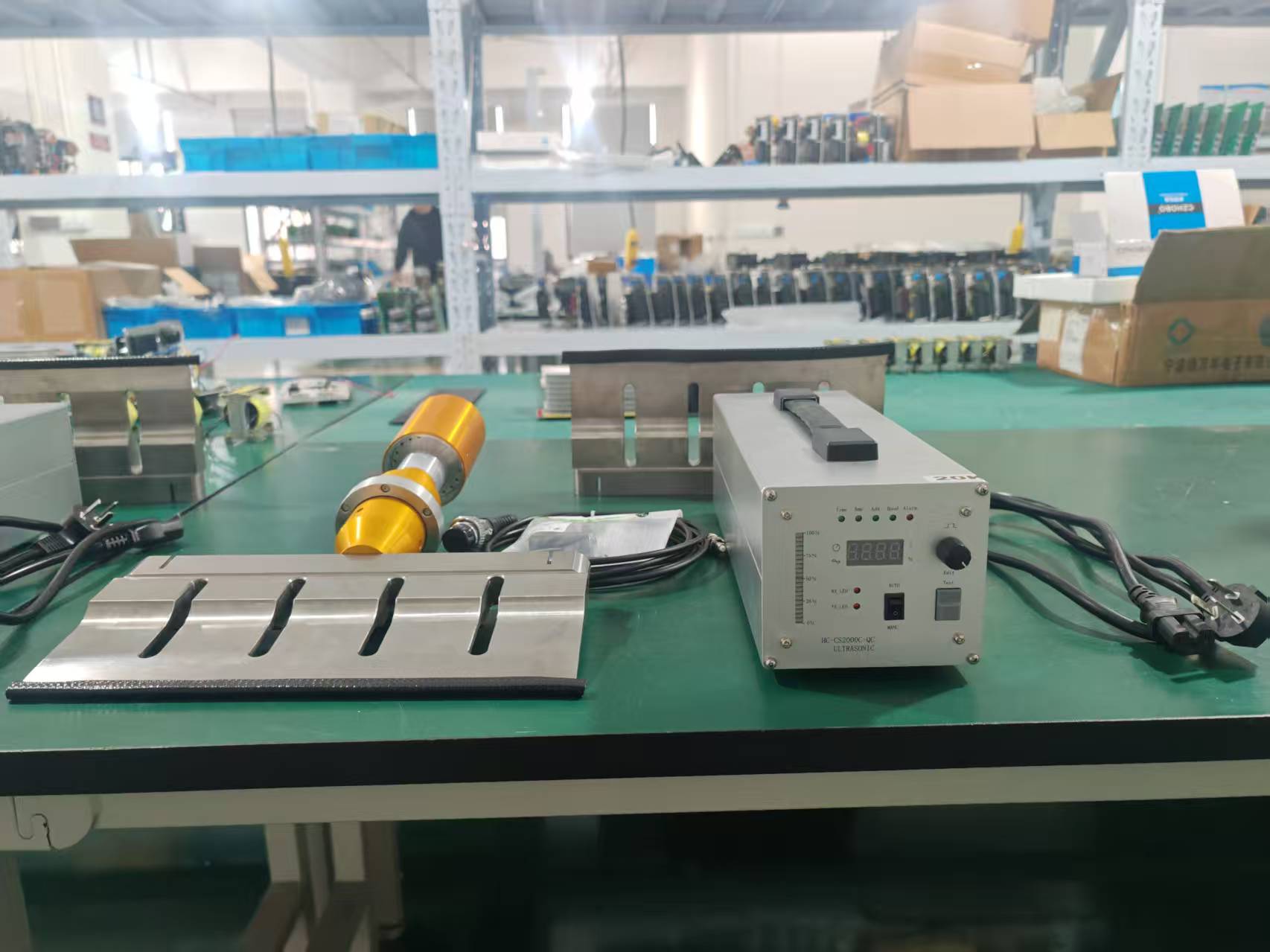
- Ensure that the transducer, booster, horn, and blade are assembled correctly using the recommended tightening torque.
- Test the system under actual production conditions rather than relying only on no-load testing.
- Optimize cutting speed and blade configuration for different food products and production requirements.
Following these recommendations can significantly improve system stability and reduce unexpected downtime.
Continuous Engineering Improvement
Every ultrasonic food cutting application is unique. Different products, cutting speeds, and production environments require different engineering solutions.
At KoneSonic, we work closely with customers worldwide to analyze real production challenges, optimize ultrasonic generators, and continuously improve system performance through practical engineering experience and field testing.
By combining reliable ultrasonic generators, optimized mechanical design, and proper electrical installation, manufacturers can achieve higher cutting efficiency, greater production stability, and longer equipment life.
If you would like to learn more about ultrasonic food cutting systems or need technical support for your application, please feel free to contact the KoneSonic engineering team.