If you have ever welded copper busbars or battery tabs using conventional resistance welding, you have probably experienced at least one of these problems.
The weld quality changes after long production runs. Thin copper parts become discolored because of excessive heat. Some electrical joints pass the pull test but fail after thermal cycling. In other cases, surface oxidation increases contact resistance, especially in high-current applications.
These are exactly the situations where ultrasonic spot welding offers a different solution.
Instead of generating heat to melt the material, ultrasonic welding uses high-frequency mechanical vibration together with controlled pressure to create a solid-state bond. The material remains below its melting point, allowing the joint to maintain excellent electrical conductivity while minimizing thermal damage.
For manufacturers producing EV battery modules, electrical connectors, motor components or copper busbars, this difference is often more important than simply achieving a strong weld.
Designed for Copper, Not Just Metal
Many welding technologies perform well on steel, but copper presents different challenges.
Copper transfers heat rapidly, making conventional thermal welding difficult to control. Thin copper foils and battery tabs are even more sensitive, as excessive heat can cause deformation or oxidation before a reliable joint is formed.
This is why ultrasonic spot welding has become a preferred process in many battery production lines.
Rather than concentrating on heat, the process concentrates on mechanical vibration. Oxides on the material surface are disrupted during welding, allowing fresh metal surfaces to bond under pressure. The result is a clean electrical connection with very low contact resistance.
Stable Production Matters More Than One Good Weld
Producing one good sample in the laboratory is relatively easy.
Maintaining the same welding quality after thousands of cycles is where industrial equipment is truly tested.
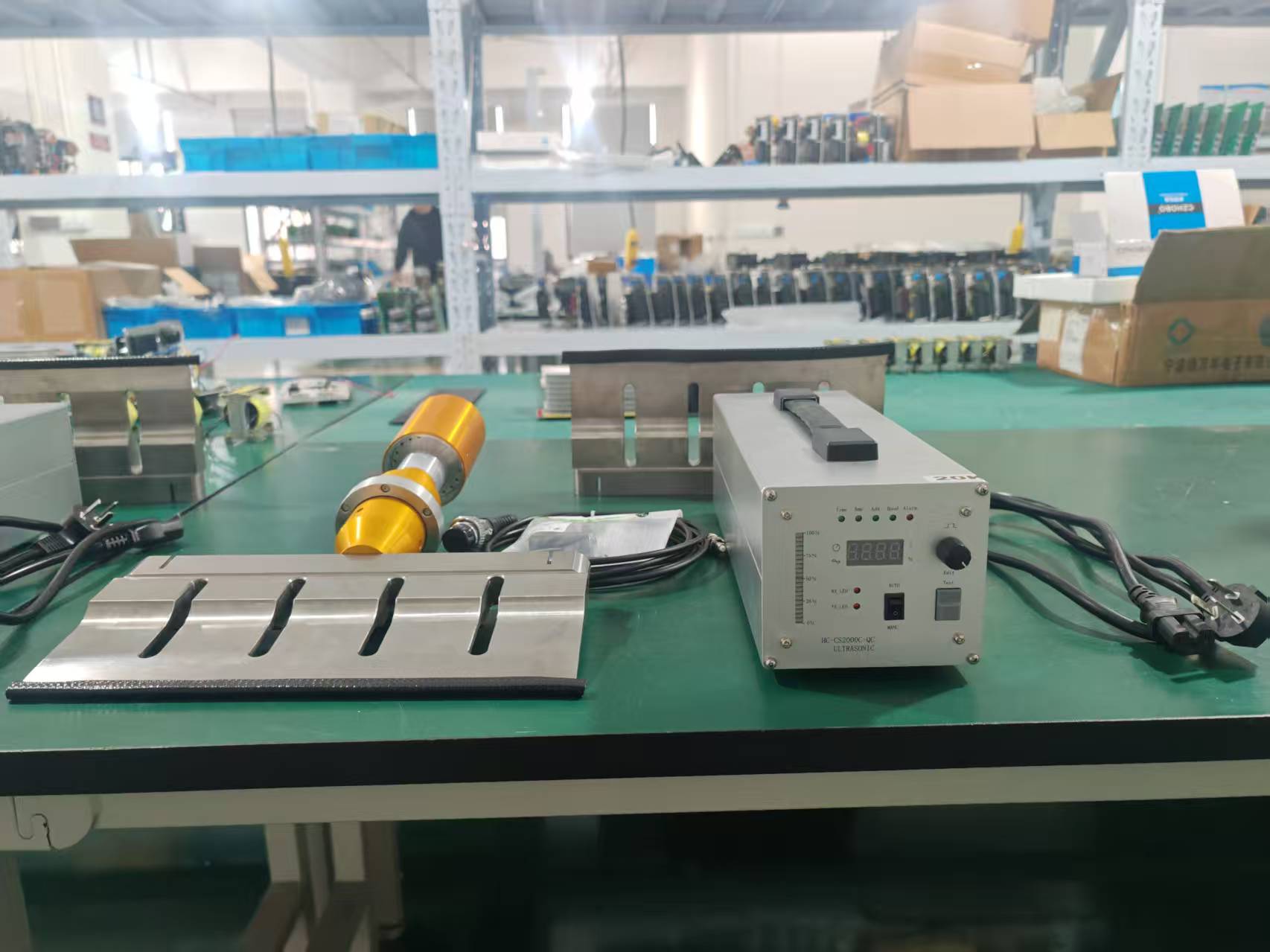
For this reason, our ultrasonic spot welding system incorporates automatic frequency tracking and intelligent parameter control. As working conditions change during continuous production, the system automatically compensates to keep the ultrasonic output stable, reducing process variation and improving production consistency.
For manufacturers running multiple shifts every day, consistency is often more valuable than maximum welding speed.
A Practical Example from Battery Manufacturing
Consider a typical lithium battery production line.
Each battery module may require hundreds of copper or aluminum connections. If even a small percentage of welds develop higher contact resistance, the entire battery pack can suffer from unnecessary heat generation during operation.
For this reason, many battery manufacturers focus not only on weld appearance but also on repeatability, electrical conductivity and process stability.
Ultrasonic spot welding is particularly suitable for these applications because it creates reliable electrical joints while minimizing thermal impact on surrounding materials.
Flexible Enough for Different Production Requirements
No two products are exactly the same.
Some customers weld thin copper foils only a few tenths of a millimeter thick. Others join heavy copper busbars or electrical terminals with much higher welding forces.
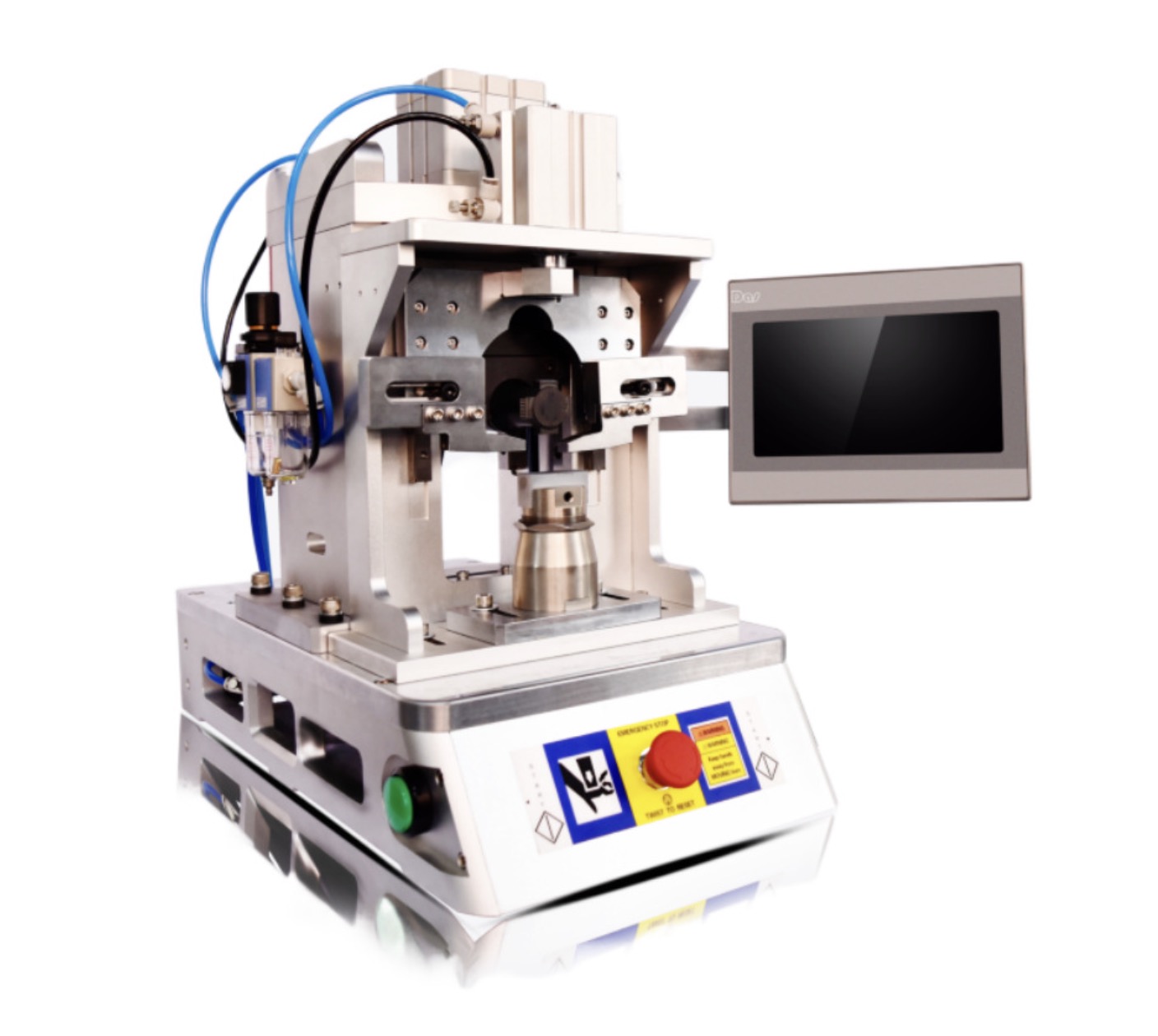
To accommodate different applications, the machine is available with multiple frequency and power configurations, allowing engineers to select the most appropriate solution according to material thickness, joint design and production requirements.
This flexibility also makes future product upgrades much easier.
More Than a Machine
Choosing an ultrasonic welding system is not simply choosing a piece of equipment.
The welding horn design, fixture, pressure setting, amplitude, welding energy and process parameters all influence the final result.
For this reason, we recommend discussing your application with our engineering team before selecting the machine configuration.
By reviewing your drawings, material specifications and production requirements, we can recommend a welding solution designed specifically for your products rather than offering a generic machine configuration.
Is Ultrasonic Spot Welding Right for Your Application?
If you are working with:
- Copper busbars
- Battery tabs
- Copper foils
- Aluminum conductors
- Electrical terminals
- Motor connectors
- Power distribution components
our engineers would be pleased to evaluate your application and recommend the most suitable welding solution.
Simply send us your drawings, material information or product samples, and we will help you determine the appropriate frequency, power, horn design and welding parameters before production begins.